
.jpg?fit=crop&w=900&auto=format&q=40 "Provider performing a microneedling treatment on a patient’s face at Refresh - Aesthetics & Wellness in Florida")
Can Microneedling Really Help Acne Scars? What It Can—and Can’t—Improve in Vero Beach
Share this page:
October 21, 2026 by JFeinberg | Health + Beauty
-600.jpg?fit=crop&w=600&auto=format&q=40)
Yes, microneedling can improve the appearance of certain acne scars, particularly depressed or atrophic scars, but it cannot erase every scar or guarantee completely smooth skin.
The FDA has cleared certain microneedling devices to improve the appearance of facial acne scars in adults age 22 and older. Research also supports microneedling as an option for atrophic acne scarring, although results vary based on scar type, depth, skin characteristics, and treatment plan.
At Refresh – Aesthetics & Wellness in Vero Beach, Microneedling with PRP is currently offered for concerns including acne scars, uneven texture, and other skin-quality concerns.
Why Do Acne Scars Form?
Acne scars can develop when inflammation from a breakout damages tissue and disrupts the skin’s normal healing process.
Some scars form because the skin loses collagen during healing, creating a depression in the surface. These are called atrophic acne scars. Other scars become raised because the body produces excess scar tissue.
Atrophic acne scars are commonly divided into three categories: rolling scars, boxcar scars, and ice-pick scars. Each has a different shape and depth, which is why acne-scar treatment should not be approached as if every scar is identical.
How Does Microneedling Help Acne Scars?
Microneedling uses very small needles to create controlled microscopic punctures in the skin.
Those micro-injuries activate the body's natural wound-healing response. As the skin repairs itself, collagen remodeling and new tissue formation can gradually improve the appearance of uneven texture and depressed scarring.
The FDA notes that microneedling may require more than one procedure and that results are not guaranteed. Systematic reviews have found improvement in acne-scar appearance following microneedling, particularly for atrophic scars.
This is why microneedling should be viewed as a gradual remodeling treatment, not an instant scar remover.
Which Acne Scars Respond Best to Microneedling?
Scar type matters significantly.
Rolling scars tend to create broad, shallow depressions with a wave-like appearance. Boxcar scars are wider depressions with more defined edges. Both may respond to treatments that stimulate collagen remodeling.
Ice-pick scars are narrower but extend more deeply into the skin. Because of their depth and structure, they can be more challenging to address with microneedling alone.
Published research comparing acne-scar types has found that rolling and boxcar scars may respond more favorably to needling-based treatment than deeper ice-pick scars.
That does not mean every rolling or boxcar scar will respond the same way. Scar depth, age, skin type, and previous treatments all influence the outcome.
Can Microneedling Completely Remove Acne Scars?
No. Microneedling should not be described as a way to completely erase acne scars.
The goal is typically to improve their appearance, soften textural differences, and make certain depressed scars less noticeable.
Some patients have several types of acne scars at the same time. A person may have rolling scars across the cheeks, a few deeper ice-pick scars, and lingering dark or red marks from previous breakouts.
Those concerns do not necessarily respond to the same treatment.
A treatment plan may therefore involve microneedling for some scars while other technologies or procedures are considered for different scar types.
How Long Does Collagen Remodeling Take?
Microneedling results develop gradually because collagen remodeling takes time.
The skin begins a healing response after treatment, but structural changes continue over the following weeks. A series of treatments may be recommended depending on the severity of the scarring and how the skin responds.
Refresh in Vero Beach notes that Microneedling with PRP is commonly used over a series of treatments for acne and surgical scars rather than promising a one-session correction.
Temporary redness, tightness, bruising, itching, peeling, or mild bleeding can occur after microneedling. Less common risks include pigmentation changes and infection.
What About Red or Brown Marks After Acne?
Not every mark left after a breakout is a true acne scar.
Flat red or brown discoloration may be post-inflammatory erythema or post-inflammatory hyperpigmentation rather than a depression in the skin. These pigment concerns can require a different treatment strategy from pitted scars.
Active acne is another important consideration. Refresh’s Vero Beach acne guidance emphasizes evaluating active breakouts and old scarring separately because each may require a different approach.
Is Microneedling Right for Your Acne Scars?
The answer depends on the type of scars you have.
A provider should evaluate whether your concern involves rolling, boxcar, or ice-pick scars, pigmentation, active acne, raised scars, or a combination of issues. Skin type, health history, medications, previous procedures, and individual goals also matter.
Microneedling can be a useful option for certain acne scars, but the right treatment begins with identifying exactly what type of scarring is present.
TOPICS
- Real Estate (6)
- Education and Tutoring (1)
- Health + Beauty (16)
- Marketing (2)
- Medical (10)
- Not For Profit - Volunteer (1)
- Shops (2)
RECENT POSTS
Can Microneedling Really Help Acne Scars? What It Can—and Can’t—Improve in Vero Beach
Microneedling can improve the appearance of certain acne scars, but scar type matters. Learn how collagen remodeling works, why results develop gradually, and when another treatment may be more appropriate in Vero Beach.

Pumpkin Peel Season in Vero Beach: What This Gentle Exfoliating Treatment Actually Does
Pumpkin season is not just for lattes. Learn how the Pumpkin Peel at Refresh in Vero Beach exfoliates dull skin, improves texture, and offers a gentler alternative to deeper chemical peels.
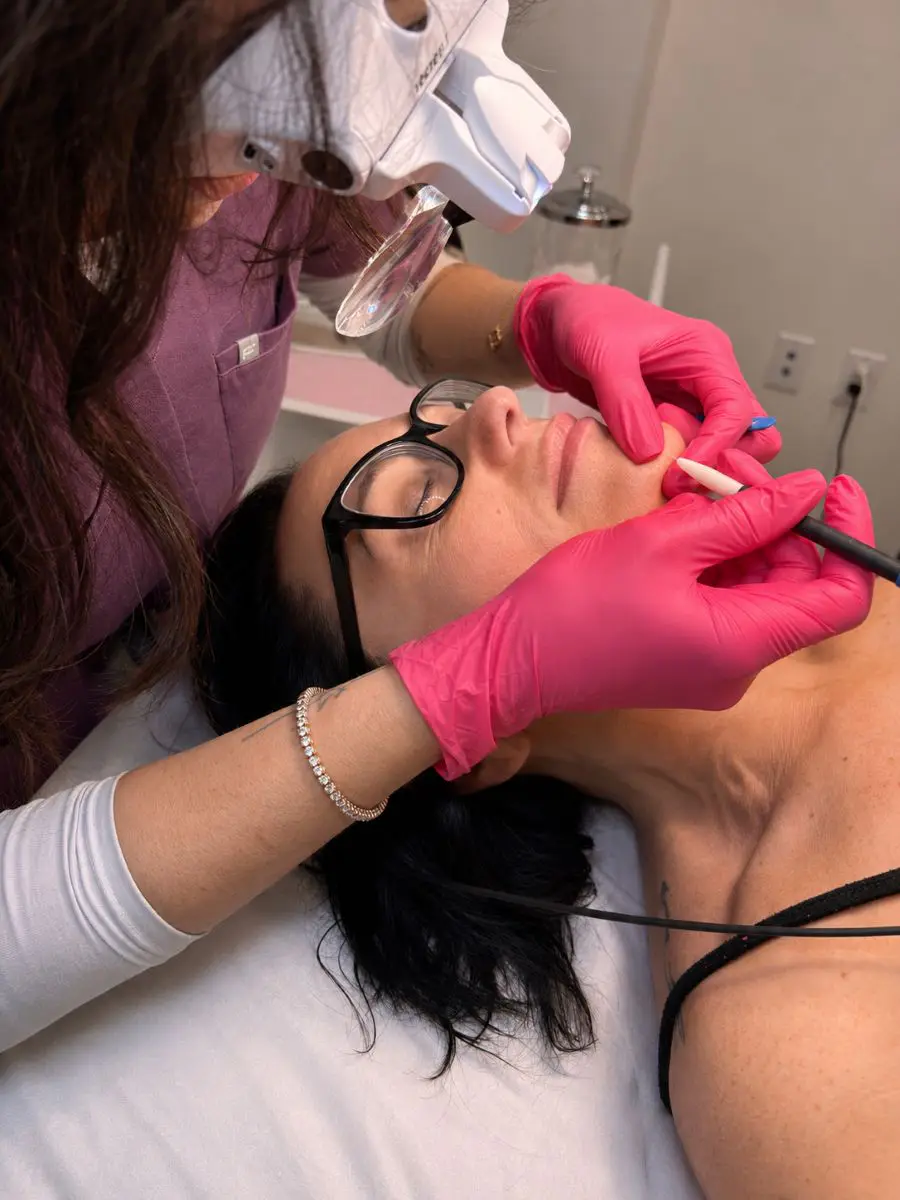
If Electrolysis Is Permanent, Why Does It Take So Many Sessions? What Vero Beach Patients Should Know
Electrolysis can permanently remove treated hair follicles, but complete clearance takes time because hair grows in different cycles. Learn why multiple appointments are normal and what Vero Beach patients should expect throughout the electrolysis process.
-900.jpg?fit=crop&w=900&auto=format&q=40 "Refresh - Aesthetics & Wellness medical director holding Kybella injectable treatment in a Florida med spa")
Can Kybella Get Rid of a Double Chin Without Surgery in Vero Beach?
A double chin can be caused by genetics, anatomy, or stubborn fat—even at a healthy weight. Learn how Kybella at Refresh Aesthetics & Wellness in Vero Beach works to permanently destroy treated fat cells beneath the chin without surgery.

Will Facial Balancing Make Me Look Overfilled? What Vero Beach Patients Should Know
Worried facial balancing will make you look overfilled? Learn how Refresh Aesthetics & Wellness in Vero Beach uses a conservative, personalized approach to improve facial proportions, structure, and symmetry while keeping results natural-looking.
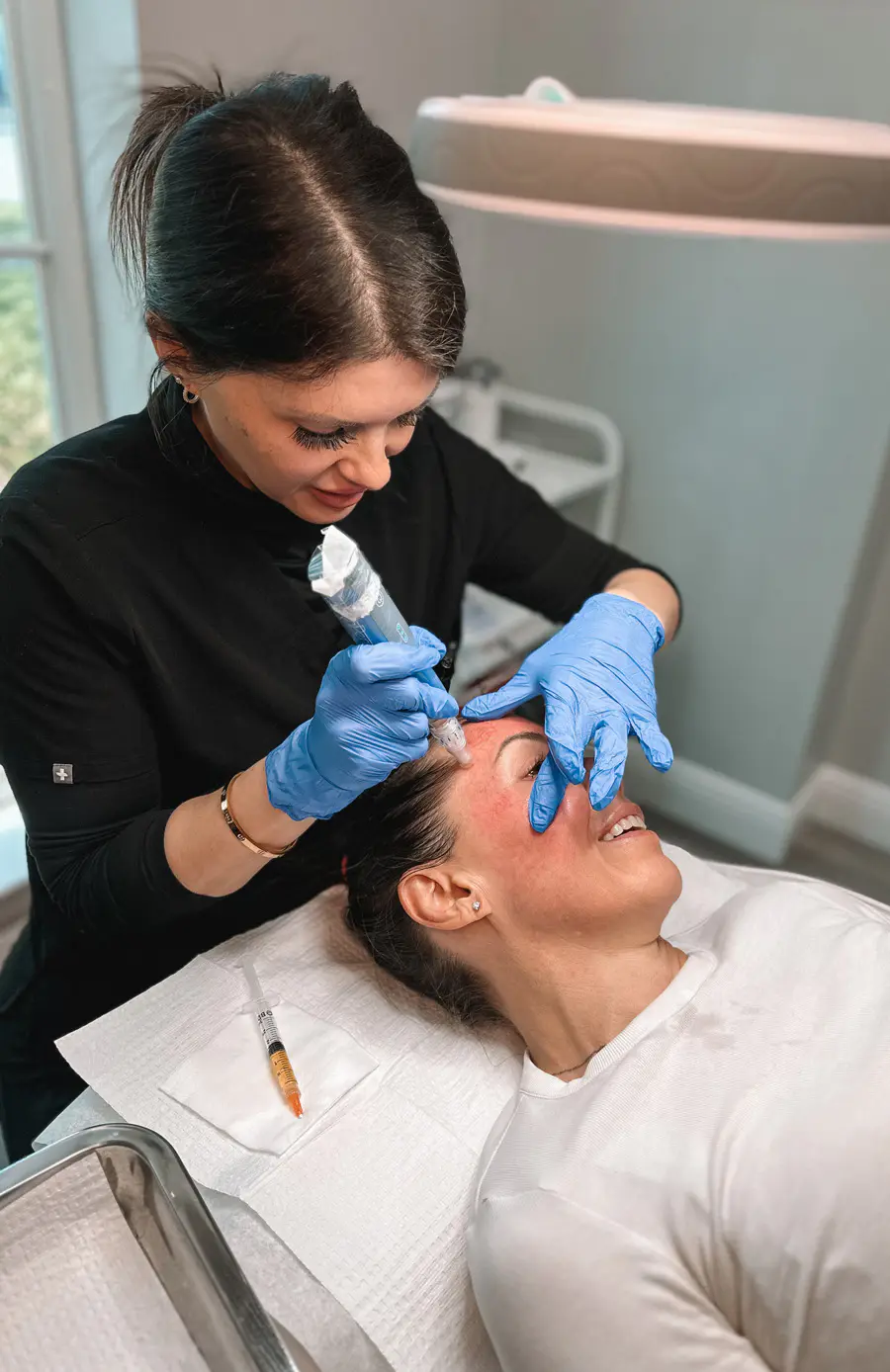
The 'Salmon Sperm Facial' Is Everywhere — What Vero Beach Patients Should Know About PDRN With Microneedling
The viral “salmon sperm facial” is actually PDRN, a regenerative skincare ingredient derived from purified fish DNA. Learn how PDRN can be paired with microneedling at Refresh Aesthetics & Wellness in Vero Beach for patients interested in hydration, texture, collagen support, and overall skin rejuvenation.
